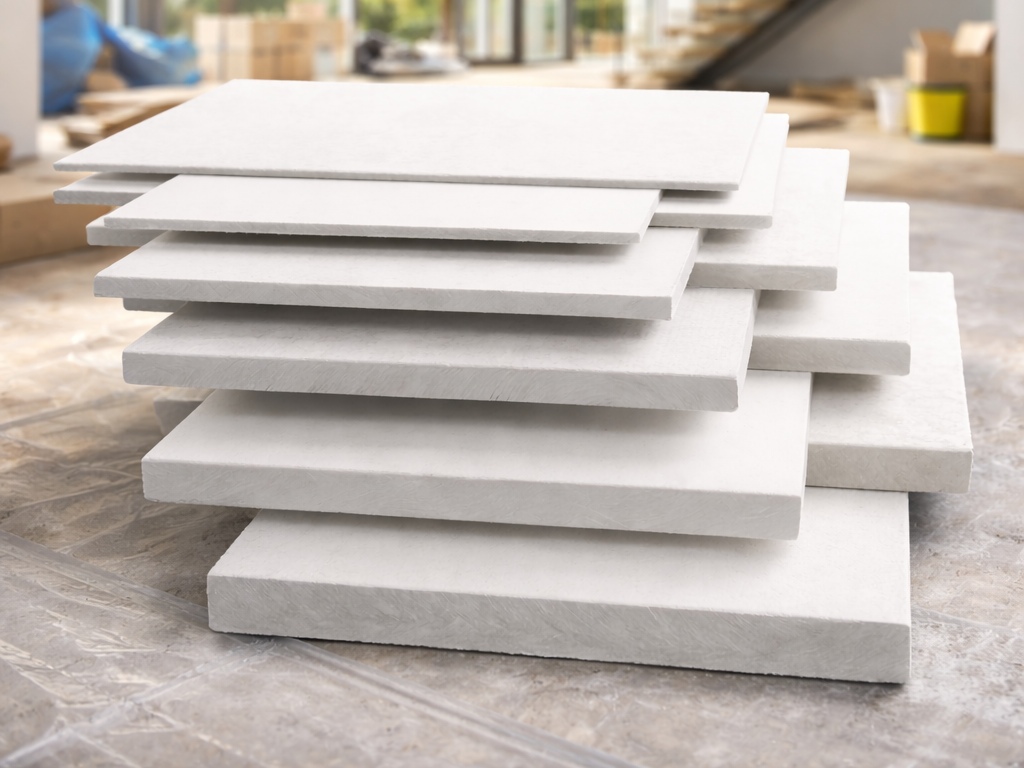
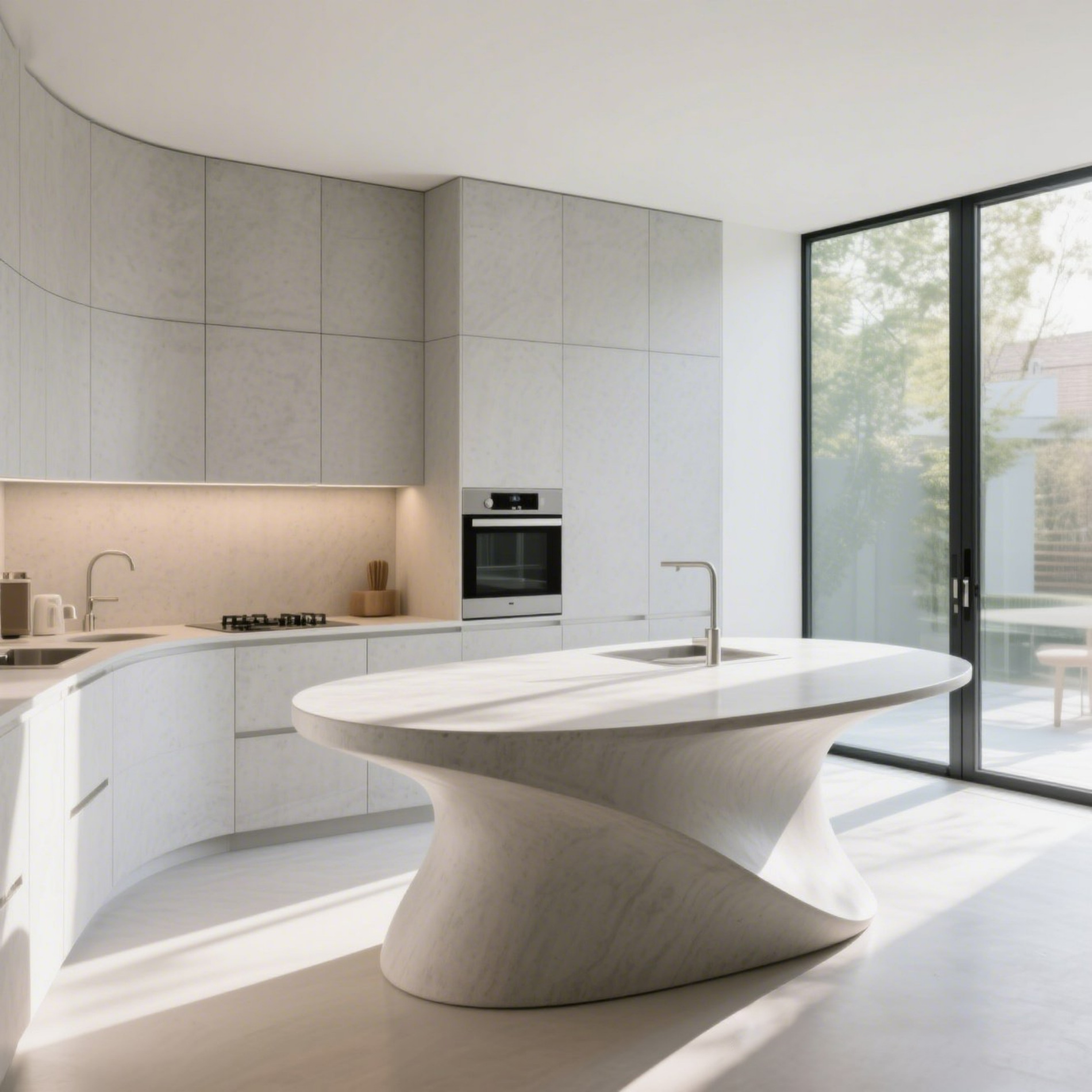
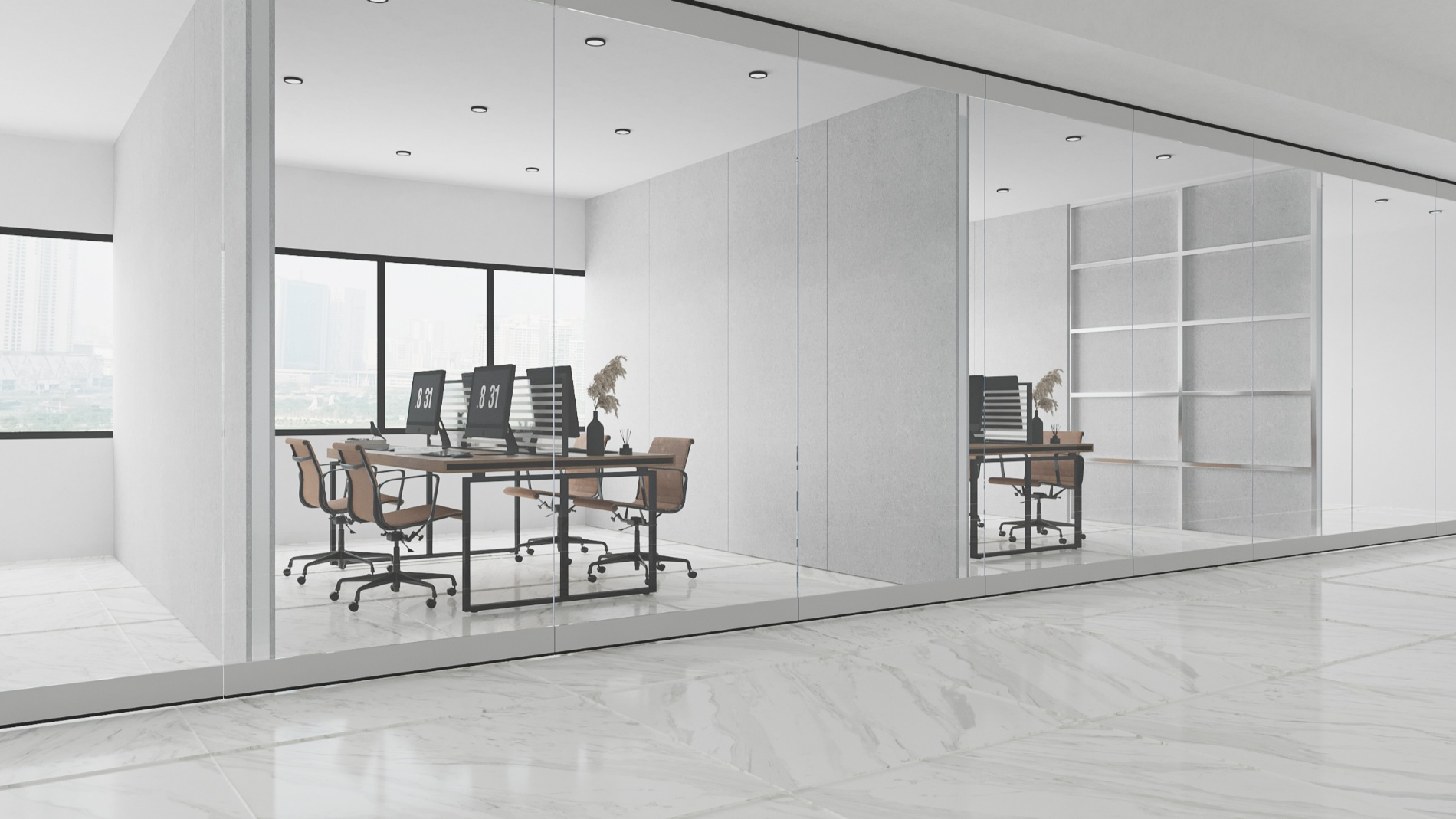
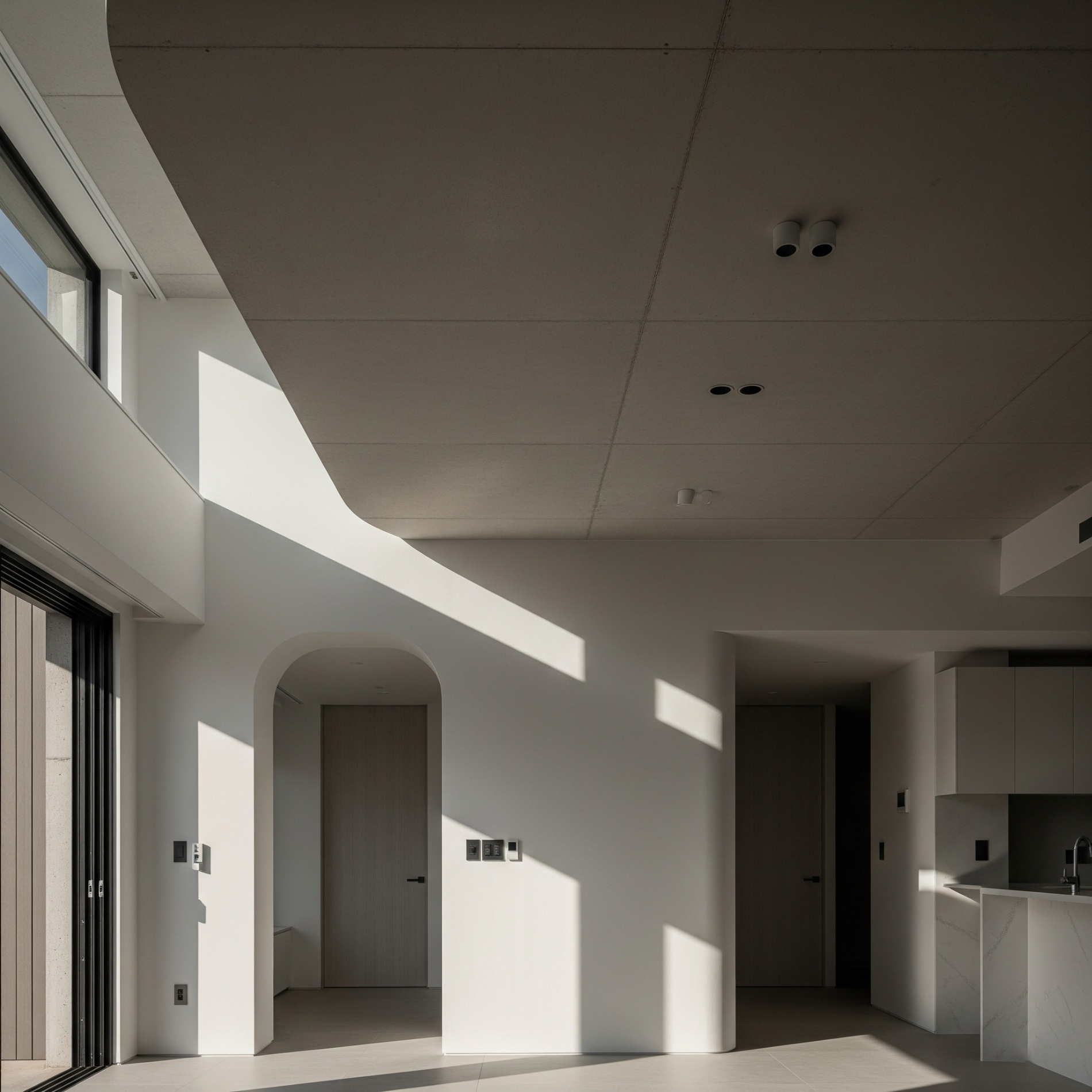
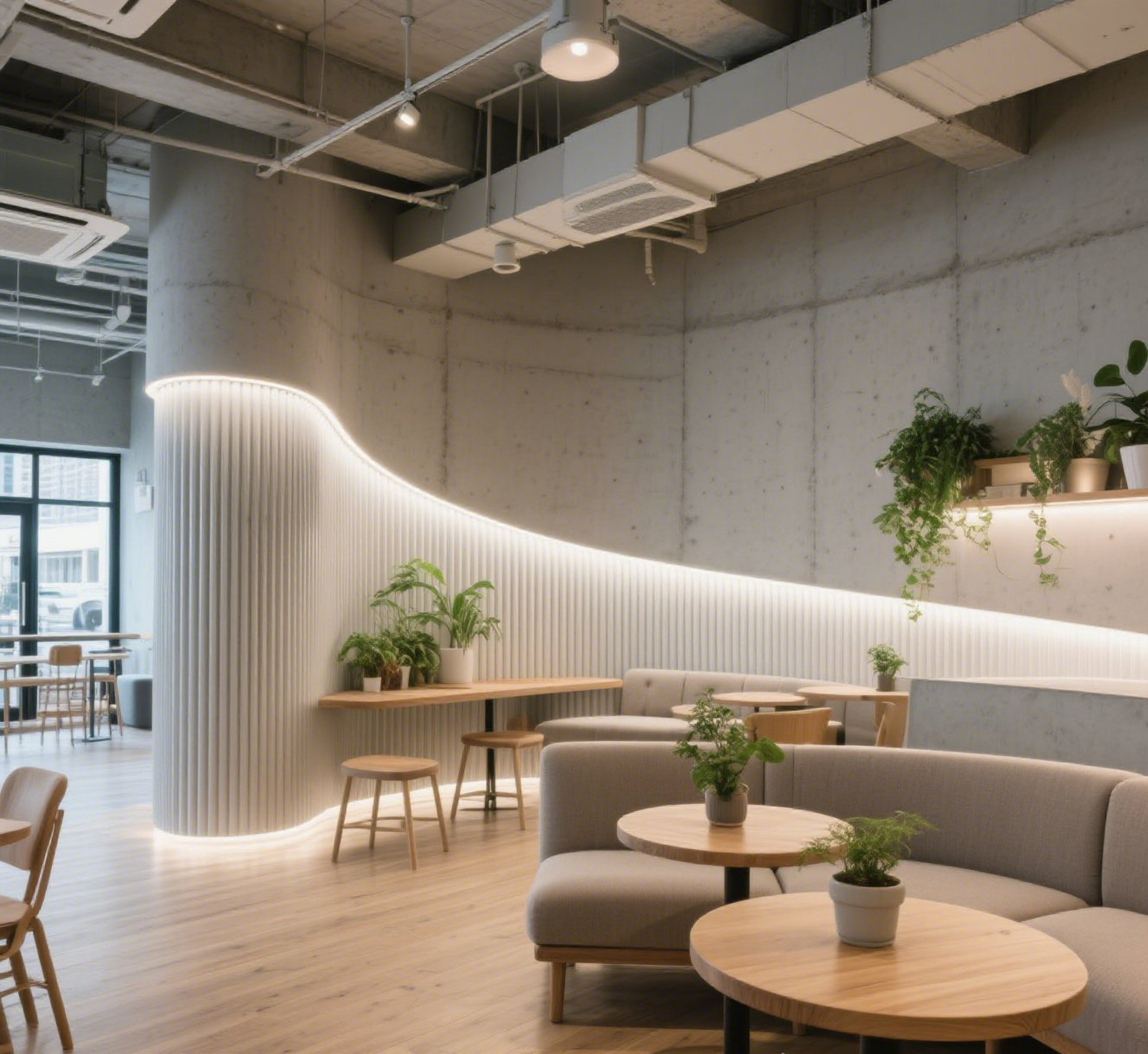
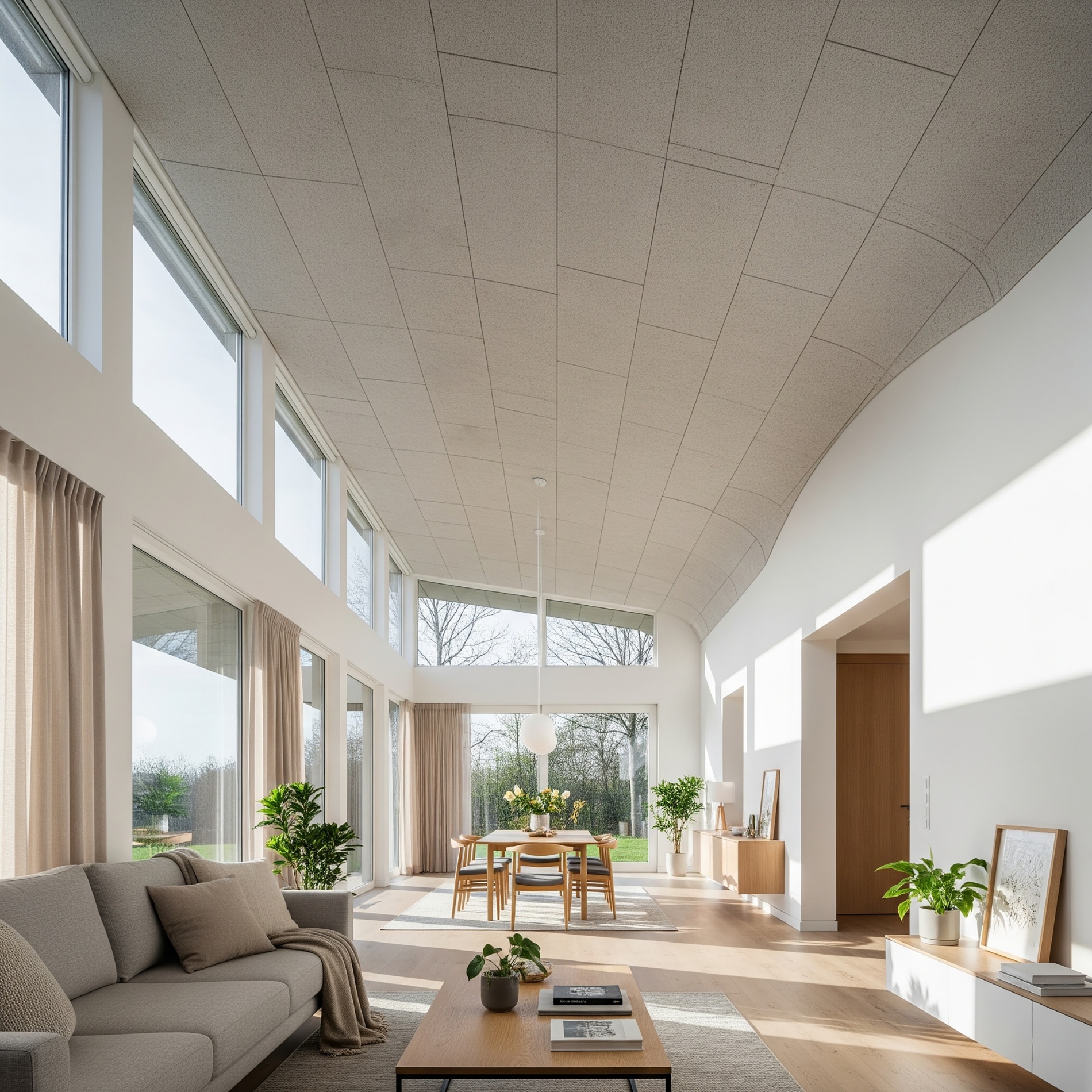
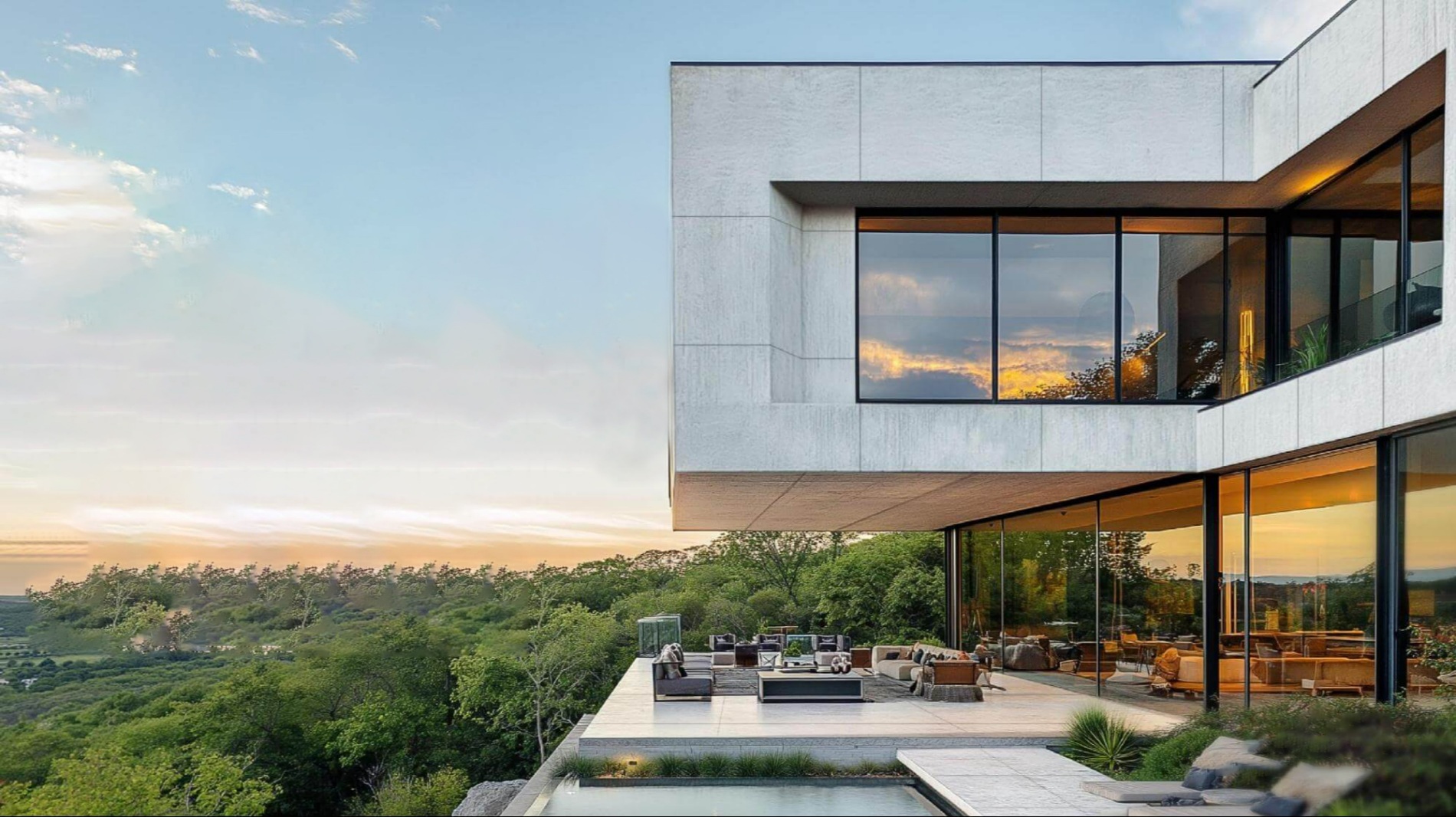
The SHINKO PROBOARD is manufactured using the Hatschek production technology – one of the most trusted technologies in the fiber cement sheet industry today. In addition, SHINKO strictly controls raw material quality with high standards, delivering products with exceptional advantages compared to similar products on the market.
The PROBOARD’s quality is established through the trust of great partners such as Vinaconex and Viettel, and has captured strict markets like the UK and Australia. Notably, to optimize construction efficiency for every building category, SHINKO has developed 12 different thickness options, from 3.5mm to 20mm.
We believe that the SHINKO PROBOARD will be a reliable choice for partners on your journey to construct sustainable buildings.
FEATURES
ASBESTOS-FREE
The product uses natural cellulose fibers and contains no asbestos, making it safer for health and environmentally friendly. It is certified for clean, non-toxic materials and aligns with the trend of green construction materials.
NON-COMBUSTIBLE
The board is non-flammable, resistant to ignition, and emits no toxic smoke when exposed to heat, making it ideal for high-safety projects like apartments, factories, schools, and hospitals.
MOISTURE-RESISTANT - TERMITE-PROOF - WARP-FREE
Its moisture resistance prevents deformation or peeling in high-humidity environments. It is termite-proof unlike wood materials, andmaintains shape stability over long periods.
HIGH-DURABILITY - OVER 20 YEARS OF SERVICE LIFE
With high mechanical strength and minimal wear over time, it is suitable for long-term projects. When installed correctly, it can last more than 20 years without replacement.
LOAD-BEARING & IMPACT-RESISTANT
It can withstand highloads and impacts from a height of about 0.5m without cracking or breaking, ensuring durability during transport, installation, and use.
FLEXIBLE INSTALLATION & VERSATILE APPLICATIONS
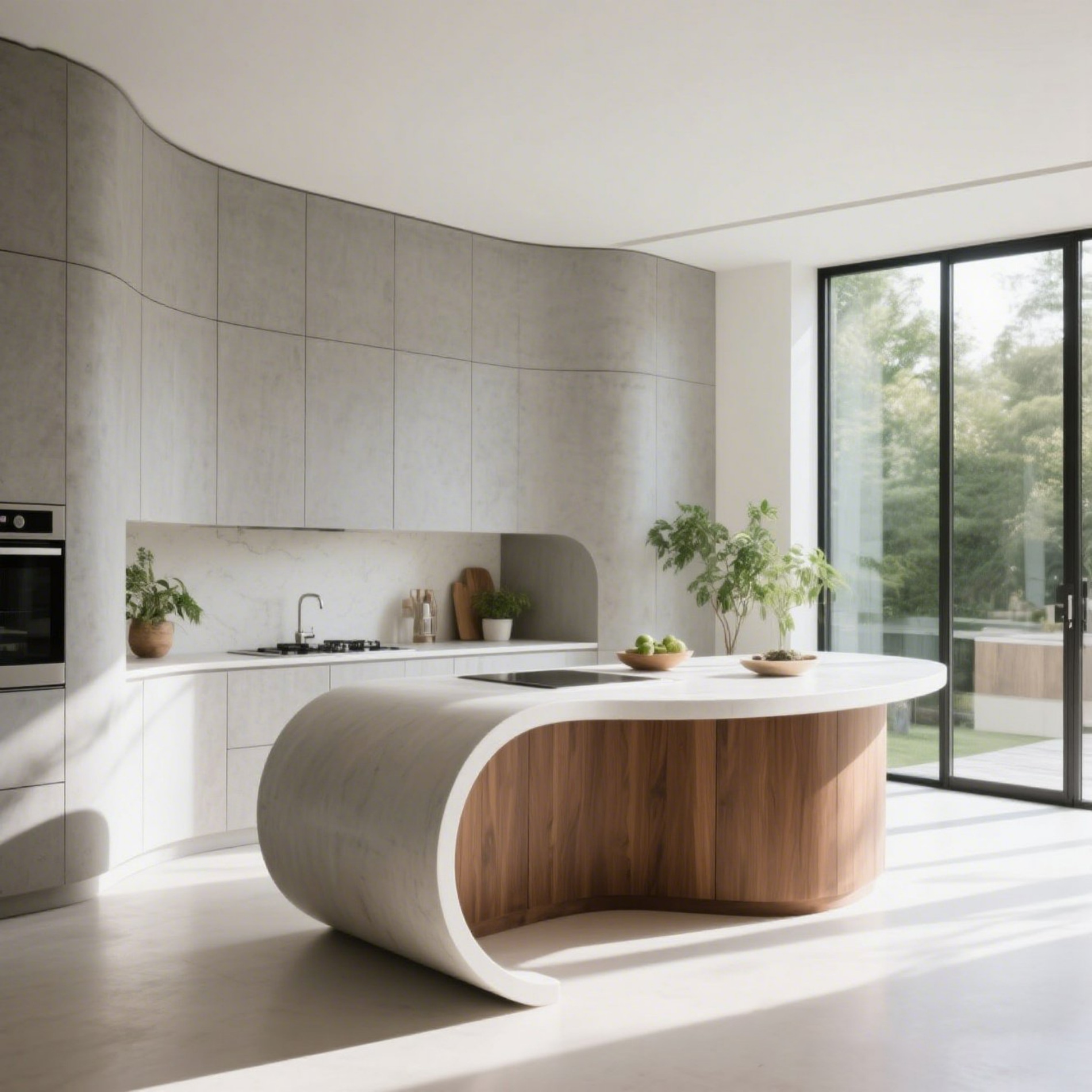
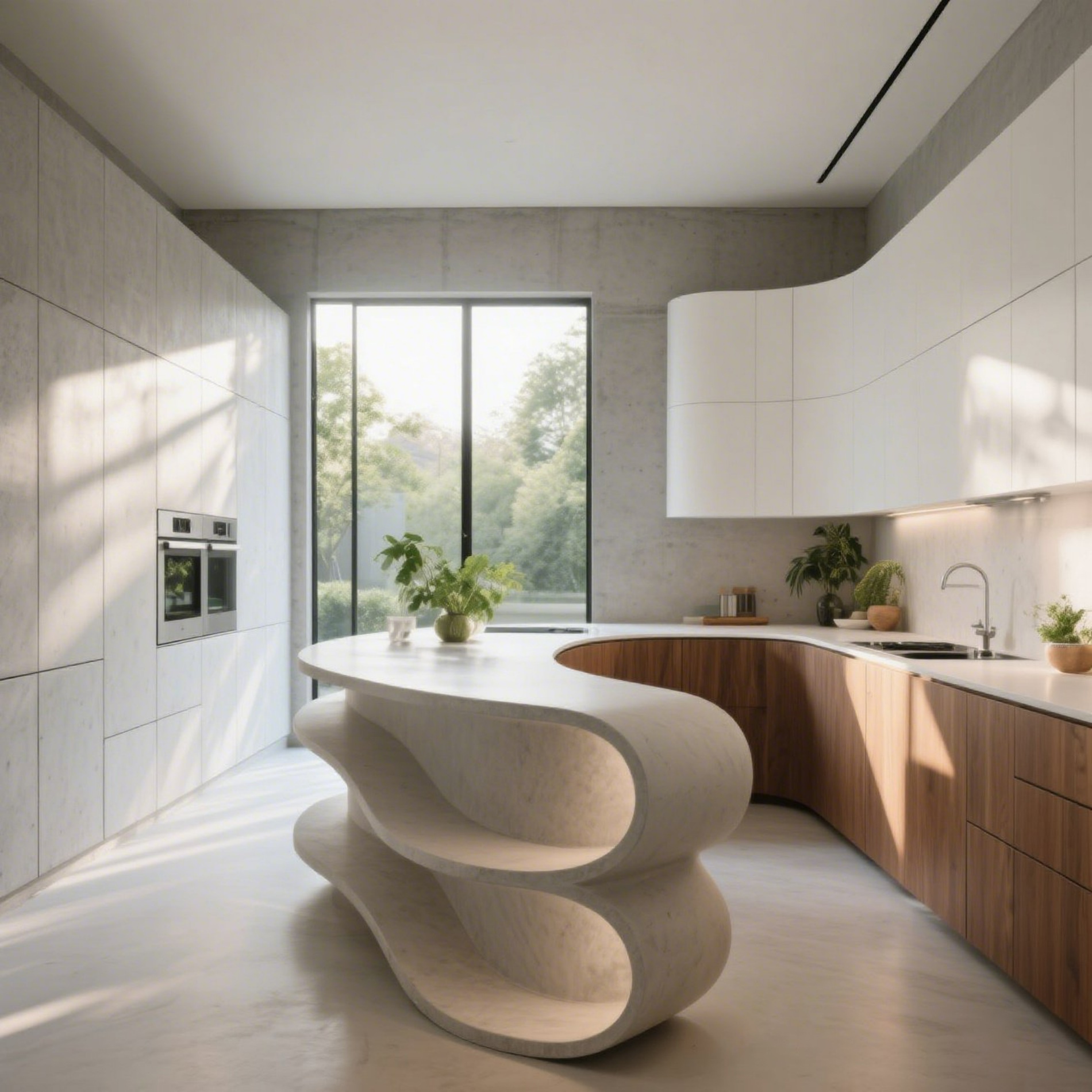
It can be applied for ceilings, walls, partitions, flooring, roofing underlayment, etc. Its strong, yet lightweight structure compared to concrete allows easy cutting, drilling, screwing, and shaping. Certain thicknesses can even be curved for special design.
THERMAL & SOUND INSULATION
The board's structure effectively reduces heat transfer and noise, improving comfort in living and working spaces - especially in dense residential areas or industrial workshops.
COST-EFFECTIVE
With high durability and low maintenance requirements, it saves long-term costs. Its quick installation, ease of transport, and minimal need for additional materials maximize investment efficiency for contractors.
PRODUCTION PROCESS
01
Mixing
Raw materials, including cement, sand, cellulose fibers, water, and additives are mixed evenly according to standard ratios
02
Sheet Forming
The mixture is processed through the Hatschek system to form continuous sheets at the required thickness
03
Cutting
After forming, the sheets are cut to standard dimensions or customized according to specific technical requirements.
04
Pressing
The sheets are hydraulically pressed to increase density and load-bearing capacity.
05
Curing
After pressing, the sheets are cured under stable conditions to complete the hydration process.
06
Autoclaving
SHINKO fiber cement boards undergo high-pressure steam curing to stabilize dimensions, enhance strength, and improve moisture resistance.
07
Storage
Boards that pass quality inspection are stored in dry conditions, ready for delivery.
08
Transportation
Products are safely palletized and packaged to ensure quality is maintained during transit to the project site.
THICKNESS: 3.5 – 4mm
APPLICABLE CEILING TYPE: Suitable for concealed or exposed ceilings
FEATURE: moisture resistant, non-combustible, thermal and sound insulation
STANDARD SIZE: 600 x 600 mm (or as per technical requirements)
SHINKO Suspended Ceiling Panels are now widely used in various projects such as:
– Factories and industrial plants
– Offices and commercial buildings
– Residental houses and prefabricated structures
This product is the optimal choice for areas requiring lightweight ceilings – moisture resistance – easy installation and replacement.
- Measure the ceiling area and determine the installation height.
- Calculate the quantity of ceiling frames, SHINKO fiber cement boards, and accompanying accessories in accordance with the building structure.
- Fix the wall angle bar to the wall according to the design elevation. The distance between fixing points must not exceed 300mm to ensure stability.
- Suspension rod placement:
+ Distance between suspension points: 1000-1200 mm
+ Distance from the wall to the first suspension point: 400 mm
- For concrete ceilings, drill directly and use expansion bolts (Ø8 or Ø10) to connect the suspension rods to the ceiling. Cut the rods to the required height.
Cutting the boards: Mark the cutting lines according to the ceiling frame. Use a specialized knife to score a deep groove, then snap along the cutting line.
Placing the boards: Insert one edge of the board into the frame first (following the arrow printed on the board to ensure uniform color), then lower the other edge into place.
- Install the SHINKO fiber cement boards perpendicular to the cross tees.
- Fasten the boards to the f rame using specialized screws.
- The surface can be painted, fabric-covered, or decorated as required by the design.
Standard Specifications
THICKNESS: 6mm – 12mm (depending on structural requirements)
STANDARD SIZE: 1220mm x 2440mm
FEATURE: Lightweight – suitable for fast installation and reducing floor load
FLEXIBLE INSTALLATION: Easy to screw, drill, and cut; compatible with light steel frames or engineered wood structures
Applications in Construction
SHINKO fiber cement boards are used as an alternative solution to traditional brick walls, helping to shorten construction time and optimize costs, especially for projects requiring fast progress, lightweight structures, or easy dismantling.
Suitable applications include:
– Partition walls for offices, factories, restaurants, and shophouses.
– Lightweight wall systems in high-rise buildings and residential houses.
– Spaces requiring high sound insulation and moisture resistance, such as kitchens, bathrooms, cold storage rooms, and steam room.
- Measure the location of the wall or partition to be installed.
- Prepare a layout drawing and install the frame system according to the space dimensions.
- Box steel of sizes 36×36, 20×40, or 48×48 can be used depending on the structural requirements and wall height.
- Board standard size: 1220 mm × 2440 mm.
- Distance between vertical studs: 610 mm × 610 mm.
- Horizontal members: 800 mm × 800 mm (can be adjusted up to 1220 mm when higher load-bearing capacity is required).
- Fix the boards to the steel frame at the frame centerlines.
- Use specialized screws to firmly secure the boards to the frame.
- Ensure that the boards are installed flat, aligned with the axis, and with no edge gaps.
- Use specialized sealant to treat the joints between boards, ensuring tight sealing and light waterproofing capability.
- Mesh tape or paper tape can be used in combination to enhance joint durability.
- Apply sealant to fill all gaps, allow it to dry, then apply an additional finishing coat (~30 cm wide) to increase adhesion and long-term stability.
After surface treatment, a finishing layer can be applied using interior emulsion paint, moisture-resistant paint, or wallpaper, depending on the design requirements.
Standard Specifications
RECOMMENDED THICKNESS: 14mm – 20mm
STANDARD SIZE: 1220mm x 2440mm (depending on structural requirements)
KEY FEATURES:
+ Rigid, smooth surface, structurally stable
+ Non-combustible
+ Moisture-resistant, termite-proof
+ Easy to process, can be directly screwed onto the floor frame
LOAD-BEARING CAPACITY: Design load up to 500 – 1300 kg/m² (depending on board thickness and installation structure)
Applications in Construction
SHINKO Fiber Cement Board is an ideal replacement for traditional concrete floors or industrial plywood in projects requiring high load capacity, fast progress, and dry construction methods.
Suitable for use in:
– Factory, warehouse, office floors, mezzanines
– Lightweight cast floors for residential houses, shophouses, and prefabricated buildings
– Commercial projects, industrial zones, and modular assemblies
The product is pre-cut for easy transportation, quick installation, and does not require formwork or curing time like traditional concrete.
- Erecting a box steel or purlin frame in accordance with the design for either a sloped or flat roof.
- Recommended distance between support beams: 400 mm - 610 mm (can be reduced if higher load capacity is required).
- Ensure beams are even and provide sufficient bearing points to prevent floor deflection.
- Cut the boards according to actual dimensions.
- Lay the boards perpendicular to the support frame, aligning edges tightly.
- Ensure board edges are positioned at the centerline of the frame members for secure screw fastening.
- Use self-drilling screws to secure the boards to the frame system.
- Screw spacing: 15-20 cm along the edges and 30 cm at the center of the board.
- Ensure screws are flush with the surface and do not cause cracks or damage to the boards.
- Seal all joints with specialized joint sealant or fine mortar.
- Sand screw heads flat if necessary.
- For tile or stone finishes, apply a layer of specialized tile adhesive directly onto the surface of SHINKO fiber cement boards before tiling.
- Other possible finishes include engineered wood flooring, carpet, vinyl flooring,…
Standard Specifications
RECOMMENDED THICKNESS 12mm – 20mm
STANDARD SIZE 1220mm x 2440mm (depending on structural requirements)
FLEXIBLE INSTALLATION Can be screwed directly onto steel box frames or fixed to concrete roof slabs using specialized accessories
Applications in Construction
SHINKO fiber cement boards are used as a base layer under corrugated steel roofs, tile roofs, or panel roofs in various residential and industrial projects. The purpose of the underlayment is to increase roof surface flatness, improve thermal and acoustic insulation, and provide a solid base for the roof covering.
Suitable for use in:
– Factories, warehouses, industrial zones
– Residential houses, single-storey houses, prefabricated buildings
– Sloped or pitched roof structures requiring increased rigidity and heat resistance
The product helps shorten roof installation time, reduce structural load, and enable clean, dry, and cost-effective construction with fewer auxiliary materials.
- Assemble the steel box frame or purlin system according to the design of the sloped or flat roof.
- Recommended spacing between support members: 400 mm - 610 mm, adjustable depending on actual load requirements.
- Securely fasten the frame system to the main structure (beams, slabs, load-bearing walls).
- Cut boards to the actual required dimensions.
- Install boards from the bottom edge of the roof upward, placing them perpendicular to the support members.
- Fit board edges tightly and stagger joints between rows to improve structural stability.
- Use self-drilling screws to secure the boards to the frame system.
- Screw spacing:
+ 15 - 20 cm along board edges
+ 30 cm at the center area of the board
- Drive screws evenly, ensuring a flat surface without cracking the boards
- Seal all joints and screw heads with specialized sealant.
- Once the surface is complete, apply a waterproofing layer using cement-based or bitumen-based waterproof coatings (depending on usage requirements).
- An additional heat-reflective or thermal insulation coating can be applied if needed.
- Finally, install the roof covering materials such as corrugated steel sheets, tiles, or other finishing layers.




 Tiếng Việt